Tips To Stay Warm In Winter Camping
Winter camping reminds us that we don’t always have to keep running. We’ve been told to “keep up” and “catch up” with the world, but in that constant rush, we often lose track of ourselves.
In the middle of busy schedules and endless responsibilities, taking a break becomes essential. A quiet day surrounded by landscapes, a serene evening by the river, or a peaceful night under the stars can gently reset your mind.
Camping is an incredible way to escape the everyday hustle and reconnect with nature. Whether you’re a seasoned traveller or a curious beginner, it offers the perfect chance to unwind and create lasting memories.
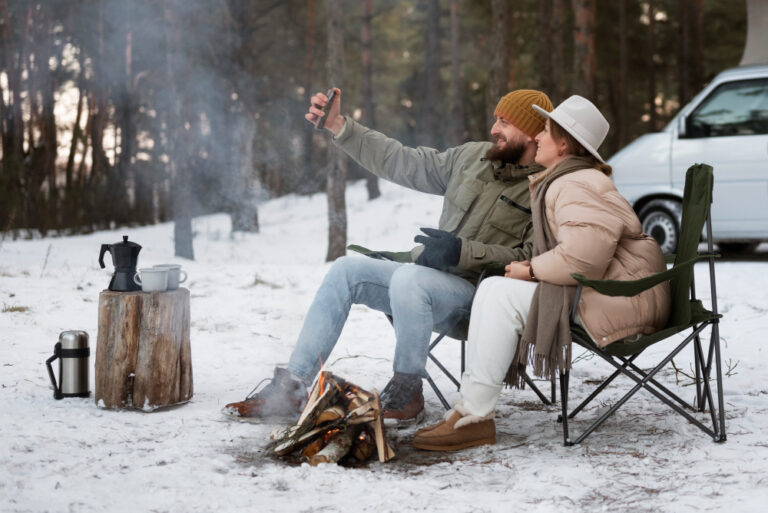
Yes, winter camping comes with cold air and chilling temperatures. But don’t let the thought of frigid fingers stop you from experiencing the beauty and magic of the outdoors.
Why Winter Camping is Worth It
With the right tips and tricks, you can always get a break, while you recharge yourself. Plan a warm, cozy winter camping with our comprehensive guide to keep you comfortable during your stay.
1. Never forget to check the weather
Like with your any other outdoor activity, always remember to check the weather conditions, you would most likely to encounter in your camping site. You can check it on local weather forecast app. Be prepared for any possible changes that might happen. Always ensure that sufficient clothing and supplies are present for any worst case scenario.
2. Pick the right tent and sleeping bag
We always like to pick the family size tent, the bigger the better sized tent when it comes to camping. But, it might not be the case for winter camping. The main purpose of the tent is to provide you insulation. Tents trap your heat within and provide you insulation to keep you warm. So smaller the better. For two person winter camping always go for a three person tent. This way you will have space to keep your gear and supplies inside the tent.
3. Layer up the sleeping bag
Finding gear that offer winter warmth but is light and compact can always prove to be difficult. That’s where your quilts can be a game changer. Layering your sleeping bag with light weight quilt can provide you with an additional layer of warmth that can make a huge difference.
Most of your body heat is lost by sleeping on cold ground. If possible use double pads under your sleeping bag. For additional warmth, you can also just tuck a few hand warmers inside your sleeping bag just before going to bed. Hand warmers can easily be brought in most outdoor and hiking shops. It is easy to carry around and more practical.
4. Always shake up your sleeping bag
Most sleeping bags works by trapping pockets of air that absorb your body heat and then keep you well insulated. Give your sleeping bag a good shake and make sure it’s fluffy and full of air for maximum insulation. With light bags remember to shake it from the bottom end to encourage the filling to accumulate in the upper sections of the bag where the insulation is most needed.
Don’t fill your sleeping bag with all your belongings too. While, it might seem like a good idea, if you compress the sleeping bag lining too much, you are also lessening the effect of insulation too.
5. Dress in layers
Always dress in multiple layers which can be added or removed at any time. As you go through the activities of day, you might work up some sweat making you uncomfortable throughout the time. To avoid this you need to regulate your body temperature in a way that you are never cold nor sweaty. The most efficient way to do this is to dress in layers.
Basically the three layers, you should carry are
- Base layer: This layer will be the innermost layer and move moisture away from your body to keep you dry. They should be made of synthetic or wool and including little to zero cotton, which holds water and absorbs most of your body heat. Only when temperature starts freezing consider heavier base layers.
- Middle layer: Middle layer acts as your insulating layer. It retains body heats while also allowing some air for circulation to prevent your body from over-heating. It can be a sweater or jacket made of synthetic or woollen material.
- Outer layer: It is also called as shell layer. It includes coats or jackets that provides you protection from strong winds and moisture. It’s always better if it is of waterproof material.
6. Pack extra
Once you are down to settle for the day, change into a fresh set of dry clothes. Changing in a colder climate can prove to be a hassle, but once you change into dry clothes, it would be worth the work. Wearing dry clothes at night will keep you warm. The dirty clothes contain sweat and oil released from the skin which reduces the insulating properties of the material. Layer with as many as pieces as you feel comfortable (including your socks). Always pack extra with base layers.
7. Prevent loss of heat
Always remember to cover yourself as much as possible through the night. It’s common that when you start feeling cold, you start piling every rug/blanket that you could find on top of yourself. Don’t underestimate the heat lost through the ground. It’s always wise to cover yourself from below too.
Also remember to use a hat to cover your head and a dry set of socks to reduce the loss of body heat. It is suggested to use hand gloves too during extreme cold conditions.
8. Water bottle trick
An easy old school way to keep yourself warm is to heat the water and put it in a plastic bottle and put it near your feet or in between your legs. Ensure that water is too hot and always remember to not use a metal bottle to avoid getting burnt. Be sure to crank the bottle lid tightly to avoid any leaks.
9. Have lot of calories
While planning your meals make sure they are high in calories. Your body needs more calories to burn to keep up the internal heat. At night, high fat and high protein foods burn slower then high carb meals, keeping your body warmer for longer period of time. Keep your meals simple and easy to prepare preferably single pot meals.
Make sure to drink lots of water and keep yourself hydrated. If a person gets hypothermic, it’s easier to warm their core temperature with hot water or any other warm drink.
10. Let nature have its way
When you need to pee again or middle of the night, don’t hold back to go out. Especially in the cold climate you need to go more. Your body is spending lot of energy to keep the liquid warm in your bladder, wasting a lot of energy in doing so. Let nature take its course and pop out of the tent, the trip is definitely worth it. You will sleep much better later on.
11. Turn things upside down
If your winter camping location has freezing temperatures, plan ahead. Turn your stove fuel can and water bottles upside down. Ice forms from top to bottom, thus keeping the opening of your container on bottom will stop it from becoming unusable first thing in the morning. If possible insulate your supplies as much as you can.
12. Never run out of power
Try using lithium batteries instead of alkaline batteries. Lithium batteries perform better in cold climates and more suitable for winter camping. Not only this, but they last longer and weight lighter too. As they have become more common, making it easier to find.
If your batteries die, try warming them with your hand or in your sleeping bag. That might give them a kick start.
Conclusion
To put it in simple terms, the more comfortable you are, the more you can enjoy your winter endeavours. With the right preparation, you can stay warm and cozy and enjoy winter landscapes and wilderness Remember to prioritize safety, plan carefully and enjoy the peaceful beauty of the magical winter nights while making beautiful memories.
1. How can I stay warm during winter camping?
To stay warm during winter camping, wear layered clothing, use an insulated sleeping bag with double pads, eat high-calorie meals, and try simple hacks like the hot water bottle trick.
2. What should I wear for winter camping?
Wear three layers: a moisture-wicking base layer, an insulating middle layer (wool or fleece), and a waterproof outer shell to protect against wind and snow.
3. What type of tent is best for winter camping?
A smaller, well-insulated tent is better for winter camping as it traps body heat more effectively and provides protection from cold winds.
4. How do I keep my sleeping bag warm in cold weather?
Shake your sleeping bag to fluff the insulation, use a quilt layer, add hand warmers if needed, and avoid compressing it with extra belongings.
5. What foods help keep you warm while camping in winter?
High-fat and high-protein foods burn slowly and help maintain body heat for longer. Staying hydrated with warm drinks also helps regulate core temperature.
6. Why should I use lithium batteries for winter camping?
Lithium batteries perform better in freezing temperatures, last longer, and are more reliable than alkaline batteries in cold weather conditions.
7. How do I prevent water bottles from freezing while camping?
Turn water bottles upside down and insulate them. Ice forms from the top, so this prevents the opening from freezing first.
8. Is winter camping safe for beginners?
Yes, winter camping can be safe for beginners with proper preparation, correct gear, weather awareness, and smart layering techniques.